When Hands Begin to Speak
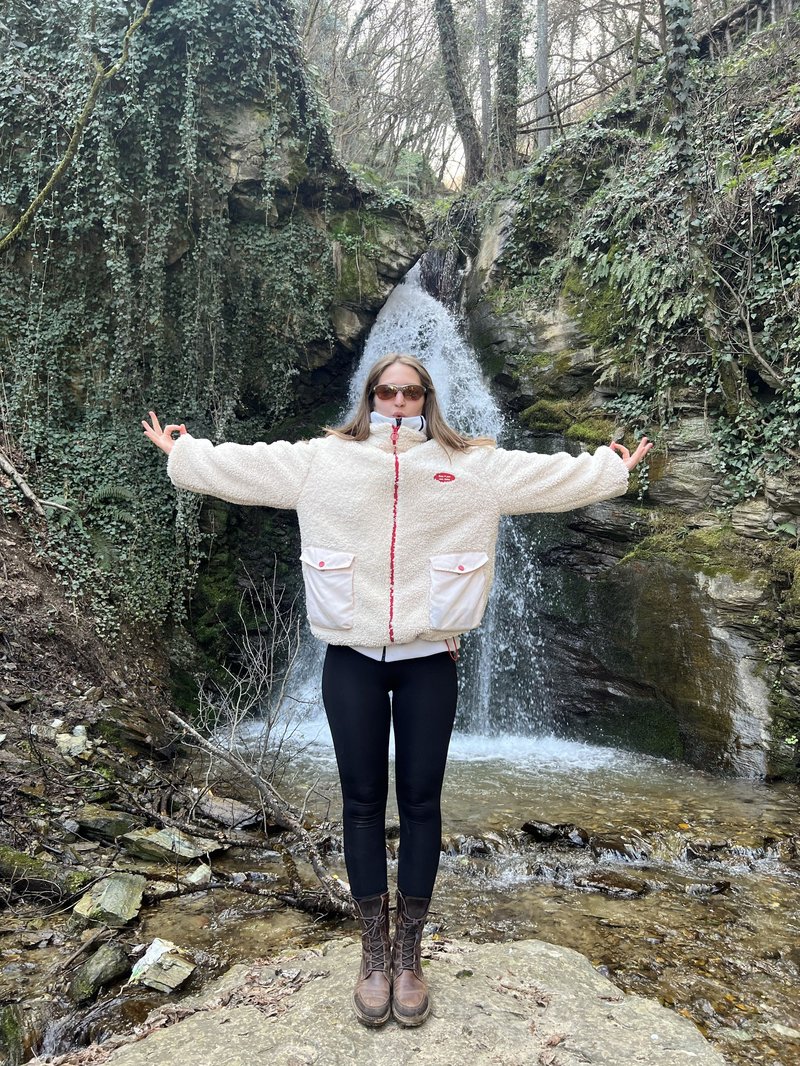
On Saturdays and Sundays, I become a symbol.
Something happens to me almost every weekend.
I spend hours moving. Yoga. Breathwork. Improvisation. The body begins to lead, while the mind gradually stops controlling every movement.
Then something happens that I never plan.
My hands begin to create symbols.
Not because I'm trying. Not because I'm thinking about them.
In fact, most of the time I don't even realize it's happening. I notice it only later, when I see a photo or a video.
And every time, the same question arises.
Why?
At first, I thought it was coincidence.
But the more I let my body be completely free, the more often the same forms appeared.
That's where my curiosity began.
Not to understand what a symbol means. But to understand why the body feels the need to create it at all.
The Intelligence of Hands
We often see hands only as tools.
For grasping. For writing. For building.
But biology tells a much more interesting story.
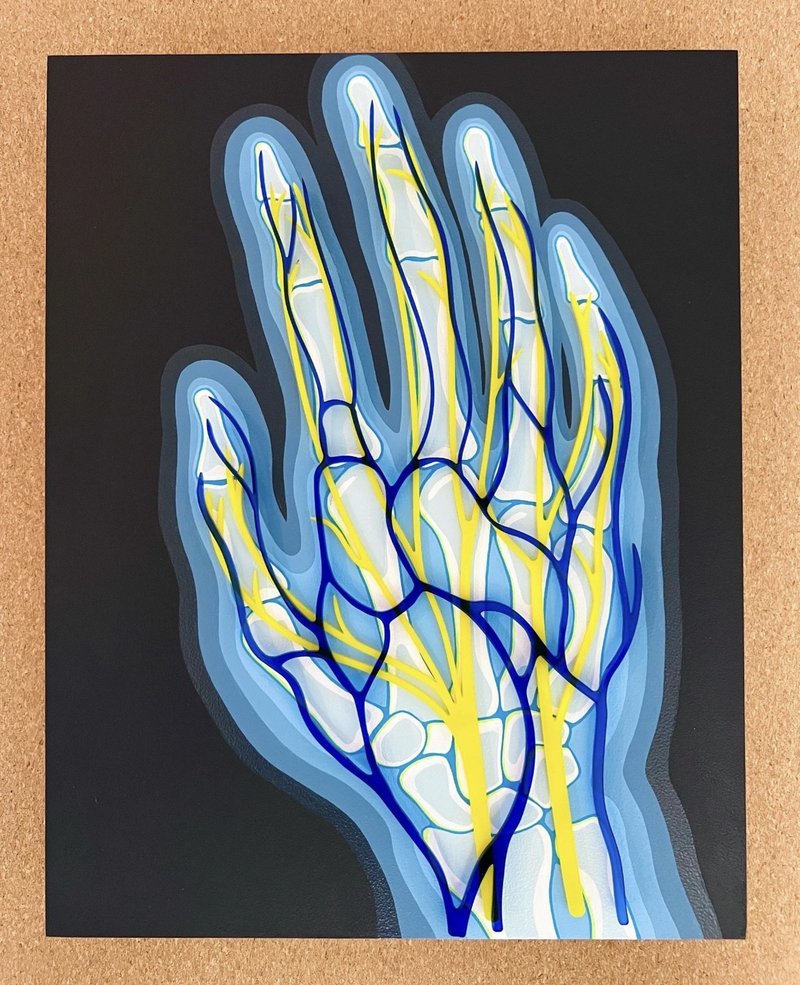
In our brain, hands have one of the largest representations in the motor and somatosensory cortex. They contain thousands of sensory receptors and are in constant communication with the nervous system.
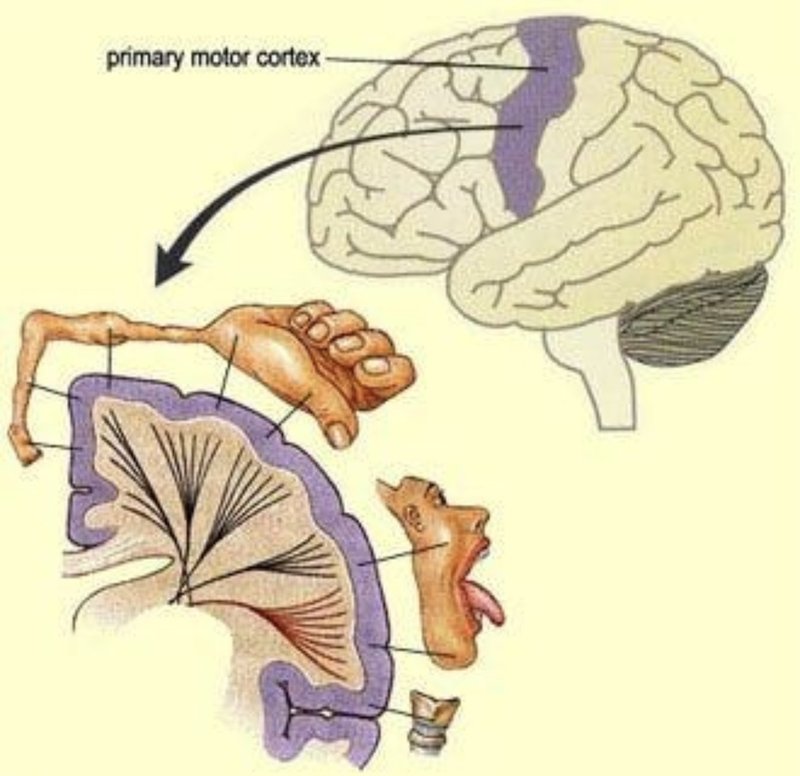
This means that every small movement of the fingers creates new information that is processed by the brain.
Perhaps this is why, when we get emotional, we speak with our hands.
When we tell a story, we use our hands. When we create art, we use our hands. When we meditate, we again end up with our hands.
The more I studied this, the less it seemed like coincidence.
A Language That Repeats in Every Culture
What fascinated me even more was that almost every civilization has created symbols with hands.
In yoga, they are known as mudras.
In Buddhism, they appear in almost every statue of Buddha, where each hand position has a specific meaning.
In Hinduism, deities are depicted with different mudras symbolizing protection, knowledge, compassion, or blessing.
In Christianity, the way blessing or prayer is performed is also linked to specific hand positions.
In Islam, there isn't a system of mudras like in yoga, but hands play an important role in religious practice. They are raised during dua as an expression of humility and acceptance, while in prayer, every position of the body and hands follows a specific order that is repeated daily.
Even in Albanian culture, without realizing it, hands have always been part of our way of communicating. From the blessings of grandparents, to traditional dances, to the way we tell a story or express emotions when we speak.
Culture changes. Beliefs change. Symbols change.
But hands keep appearing.
And this made me ask:
Did we invent the symbols?
Or did we observe the same body and arrive, in different ways, at similar forms?
And Energy?
Today, almost every discussion about mudras ends with the word energy.
And I think that's exactly where we lose a very interesting part of the conversation.
What if, before we called it energy, it was biology?
When we change the position of our hands, it's not just the form that changes.
The way muscles activate changes. The information that receptors send to the brain changes. The way we direct our attention changes. The way we experience our body changes.
Science hasn't proven that every mudra has the specific effects often attributed to it.
But biology clearly shows us that hands are not neutral. They are one of the primary ways through which our nervous system interacts with the world.
Perhaps part of what we describe as "energy" is simply a biological process we don't yet fully know how to describe.
The Body as Intelligence
The more I practice this, the less I see the body as something to be controlled.
I see it as an intelligence in itself. An intelligence that doesn't think in words.
But in rhythm. In breath. In movement. In symbols.
Perhaps now I've begun to understand the body's language.
And just because humans have cultivated language to communicate with each other, doesn't mean it's the only form of communication.
The body speaks. Nature speaks. Symbols speak.
Perhaps we've simply forgotten how to listen.